
 Featured
Shipping from Bali guide
Pillar guideStep by step · 2026
The whole process in order, from cargo list to delivery at your door.
Shipping from Bali · FAQ
Straight answers on LCL and FCL sea freight, air freight, furniture, art, personal effects, customs papers and duties — Bali to the USA, Australia and Europe.
Researched and date-stamped July 2026 · Figures indicative
Quick answer
Small or mixed loads usually ship LCL, priced per m³; past roughly 13–15 m³ a 20ft FCL often costs less. Sea takes about 4–6 weeks to Australia and 6–8 weeks to the USA and Europe; air around 3–10 days.
By topic
Pick a topic, then open a question. Figures are indicative as of 2026 — your written quote confirms the real numbers.
You send product details (photos, dimensions, materials, HS codes if known) and quantities. We request EXW/FOB quotes from your chosen suppliers or factories we work with, build one export plan and issue a proforma invoice before payment.
Factories set MOQs, not Ship From Bali. Typical furniture and décor MOQs are 5–10 pieces per model, or a minimum order value of often US$2,000–5,000. For mixed items in a shared (LCL) container, 1–2 m³ keeps per-unit freight reasonable.
Yes. Many suppliers allow 1–3 samples per item, often at a higher unit price, sent as small boxes by air, DAP or door to door. You pay product, packing, indicative air freight and our handling; import taxes in your country are yours.
LCL is priced on chargeable volume (m³) plus origin handling, export documents, destination handling and delivery, and changes by season and route. As a rough guide, small mixed personal cargo might start around US$150–300 per m³; every quote is case by case.
LCL is priced per cubic metre plus shared handling and suits small or mixed loads. FCL is a flat rate for a whole 20ft or 40ft container, however full it is. FCL usually becomes more cost-effective at roughly 12–15 m³.
Door to door, a 20ft FCL of furniture and household goods typically falls around US$6,000–10,000, depending on season, destination city, packing, customs clearance and destination handling. Indicative only — we quote all-inclusive on current rates.
A 40ft FCL door to door often runs around US$9,000–15,000+, depending on route, volume, packing, insurance and destination port or inland city. Fuel surcharges and carrier capacity move it; updated quotes include export documents, trucking and customs brokerage.
We estimate cubic metres, packing and access at both homes. The price covers packing, container stuffing, ocean freight, export documents, US customs brokerage (if requested) and delivery. A typical 2–3 bedroom home (20ft FCL) may fall in the mid four- to low five-figure USD range.
We assess volume and packing, then choose LCL or FCL. Pricing covers packing, port trucking, sea freight, customs clearance, destination fees and delivery. A 20ft FCL household often sits in a similar or slightly higher band than USA routes, depending on city and carrier.
Yes, in one LCL or FCL, if the two are clearly separated and declared with proper invoices and packing lists. Pricing follows volume or weight, packing, documents and destination services. Customs may treat the commercial portion differently, so duties can vary.
We ask for an itemised list with values and photos, then propose shared-container (LCL) shipping or a small air shipment. Costs follow cubic metres or weight, plus customs clearance and destination handling. Duty on used personal items depends on destination rules.
Most private clients and small mixed shipments pay in advance — typically 50–100% before export. Repeat commercial clients may get deposits and staged payments. We invoice in major currencies by bank transfer; freight, documents and destination charges are settled before container release.
We need product details, pickup and delivery addresses, and whether you want art handling or basic packing. We price origin handling, packing, sea or air freight, customs clearance, destination customs liaison and delivery — itemised so you see cost drivers. Figures stay indicative until booked.
Declared value, HS codes, timber treatment status and LCL vs FCL. We coordinate export paperwork and liaise with Australian brokers, but duty, GST and quarantine fees are set by Australian authorities. Delivery depends on distance from port, access and special handling.
Timber usually must be kiln-dried or treated, pest-free and correctly HS-classified; some countries require fumigation or phytosanitary certificates, which we can arrange. Treatment, certificates and inspections add cost and time; non-compliant items risk delay or refusal.
Yes. We combine existing household goods and newly bought Bali furniture into one export, plan packing and volume, then choose LCL or FCL. Household items and new goods are declared separately, which can change customs treatment and taxes abroad.
By size, weight, value and fragility: custom crating, climate or shock protection if needed, export documents, and air (faster, dearer) or sea (slower, cheaper per unit). Insurance is strongly recommended, priced as a percentage of declared value. Duties are set at destination.
Typically pickup, packing, export documents, ocean or air freight, Bali customs clearance, destination terminal handling and delivery. The quote states exclusions (e.g. insurance, destination brokerage). Import duty, VAT and inspections are set by authorities and billed separately.
Air is priced by chargeable weight — faster, dearer per kg, good for urgent items. Sea is priced per cubic metre — slower, usually cheaper for bulky loads. Both need an accurate inventory with values; we show side-by-side indicative costs.
Yes. Send dimensions, weight and destination through the quote form; a binding all-in quote follows within 24 hours, itemising freight, Bali–Surabaya trucking, export packing and documents. Destination import duty is flagged separately because the consignee pays it (as of 2026).
Stable, well-dried hardwoods, treated rattan, metal, glass, stone and properly sealed engineered panels. Softwoods, thin veneers and poorly bonded composites crack or lift more easily. Ask for moisture protection, corner protection and carton or crate specs before booking.
Ask for wood species, grade, joinery, finish and recent photos of the exact piece. Check solid wood for warping, open joints, loose fittings and uneven stain. Your export agent should record dimensions, condition and packing method in the export file.
Item inspection, measurement checks, photo records, packing review and matching the inventory to the packing list. Fragile items should be braced, hardware removed or taped and cartons clearly labelled — especially for mixed consignments and personal effects.
Acid-free paper, foam sheet, bubble wrap, EPE foam, edge guards, double-wall cartons and custom wooden crates, chosen to stop abrasion, moisture and movement. Crates are typical for framed art, mirrors, sculptures and high-value décor that cannot tolerate flex or impact.
Yes, if the wood is properly seasoned, sealed and packed for humidity changes; dry, stable timber reduces swelling, splitting and mould. Buyers often ask for evidence of the finish, moisture condition and crate or wrap specification before approving shipment.
Exact dimensions, gross weight, fragile points, stackability and whether the item can be disassembled — enough to choose the right carton, pallet or crate. Oversized tables, panels and display pieces often move better by sea freight than by express courier.
With an itemised list that separates used personal effects from saleable stock, giving quantities, values, materials and intended use. Good documentation avoids confusion when clothing, homewares, samples and retail inventory travel in one shipment.
A detailed packing list, condition notes for used items and clear handling for appliances, furniture and personal effects. Confirm volume, container space, packing method and whether fragile items are boxed individually or crated — that cuts damage risk and customs mismatches.
LCL suits smaller, mixed loads; FCL suits full households or larger furniture moves; air suits urgent, high-value or low-volume items. Dimensions, weight and fragility decide it, and materials matter too — glass, stone and wood need different packing.
Pickup, export handling, main carriage, customs paperwork, destination clearance coordination and final delivery. Confirm exclusions such as duties, taxes, remote-area delivery, lift-gate service or special packing. For sensitive goods, the quote should state crate type, padding and inspection steps.
Start with a sorted inventory and pack by category — clothing, books, kitchenware, electronics, décor. Items should be clean and dry, heavy goods low and fragile items wrapped separately. For the lowest cost, most people choose LCL and accept longer transit.
Medium, frame type, surface finish, fragility and whether the piece can flex. Oil on canvas, resin, wood, metal and stone each need different protection. Ask for crate dimensions, internal padding spec and humidity protection for valuable or delicate pieces.
Yes, if the packing list shows each item, its material and whether it is personal or commercial. Fragile décor is usually separated from heavier household goods within the consignment — useful for expats moving out and tourists sending souvenirs, books and homeware.
Whether it is natural rattan, synthetic rattan, cane or a mixed weave — durability differs a lot. Tightly woven pieces with reinforced frames travel better than loose decorative weave. Confirm moisture protection, stacking limits and whether the item can be compressed at sea.
Check joinery, load-bearing points, hardware and whether it disassembles without damage. Dowels, screws and braces travel better than glue joints alone. Ask the seller for photos of the underside, inside panels and packing method for large or heavy pieces.
The commercial invoice, packing list, bill of lading or air waybill, and any permits for restricted items. Descriptions must match the actual materials, quantities and values — important for customs review of wood, art, electronics and personal effects.
Yes. Wooden furniture needs corner protection, blocking and moisture control; textiles need clean, dry cartons or vacuum packs; mixed décor needs individual wrapping and separation. Matching spec to material matters most for Australia-bound shipments with inspection risk.
Use custom crates, internal foam support and clear “fragile” orientation labels. Stone and glass must not touch the crate wall; mirrors need edge and face protection. Your forwarder should say whether a floating crate, double boxing or palletising is needed.
20ft and 40ft container quotes depend on volume, packing density and whether items are crated, boxed or loose-loaded. Share cubic metres, materials and handling needs first; accurate specs avoid under- or over-packing and reduce damage risk.
Sea (LCL/FCL) and air shipping with customs clearance for furniture, art, commercial goods and personal effects: packing, export handling and documents, container loading and destination coordination — from one-off tourist shipments to full household moves, quoted all-in door to door.
LCL is priced per cubic metre for smaller loads, often under about 10–15 cbm, consolidated with others’ cargo and handled more. FCL is a dedicated 20ft or 40ft container (around 30–60 cbm), cost-competitive past the break-even point. We advise which is cheaper.
Indicatively, sea freight takes about 4–6 weeks to Australia and Asia and roughly 6–8 weeks to the USA and Europe, depending on sailings, transshipment and clearance. Air door to door usually takes around 3–10 days. Congestion and carrier capacity can shift both.
Yes, by sea or air: export handling and customs in Indonesia, then coordination with a US customs broker and delivery service. The all-inclusive quote covers packing, documents, freight and indicative destination charges, but no one can guarantee customs or regulatory outcomes.
It is quoted case by case on destination port, season, carrier rates, volume used (up to ~30 cbm), packing, inland trucking and customs charges. As a rough guide, freight plus origin and destination fees often runs to several thousand US dollars.
A 40ft (around 60 cbm) costs more than a 20ft but less per cubic metre, suiting large furniture projects and full households. Price depends on carrier, port pair, fuel surcharges, packing, trucking and charges at both ends; we can estimate both sizes side by side.
Yes — for mixed furniture, art and homewares. Cargo is crated and consolidated and you pay only for the cubic metres used. It is often the cheapest sea option under roughly 10–15 cbm, though per-cbm rates exceed FCL and consolidation schedules can affect transit.
Yes, in the same LCL or FCL, if correctly declared. We prepare a commercial invoice and packing list that separate resale items from personal effects and coordinate with your destination broker. Duties may differ by item type; no duty outcome can be guaranteed.
Full or partial household moves, for example to the USA or Europe, typically in 20ft or 40ft FCL: packing at the villa, export documents, container loading, sea freight and delivery to your new home, with local partners handling customs and final trucking.
Yes. Pieces are crated, wrapped and sometimes palletised for LCL, or loaded carefully into FCL, with moisture and impact protection. Export documents can state artwork values and HS codes, and insurance on declared value is available, but arrival condition cannot be guaranteed.
Typically a commercial invoice, packing list, bill of lading or air waybill and, where required, fumigation/ISPM, phytosanitary and origin certificates. Sets are tailored by country; compliance with evolving rules (e.g. EUDR) cannot be guaranteed in advance.
We coordinate clearance and delivery through partner brokers and local transport in Australia and many European destinations; sea freight routes via major transshipment hubs. The quote can include estimated destination charges, but we don’t control authorities’ decisions, inspections or storage fees.
Yes. We can consolidate purchases, arrange packing and container loading, prepare export documents and hand cargo to your nominated carrier or destination forwarder — useful if you already have a logistics contract but need reliable support on the ground in Bali.
Yes — bulky furniture, artwork or mixed cartons go by air freight or LCL/FCL sea freight, not post. Air suits urgent or smaller high-value pieces; sea is cheaper for volume. We collect from shops or villas, pack, crate and ship, with destination customs coordinated.
A home or villa survey estimates cubic metres; the quote covers packing, export handling, sea or air freight and indicative destination charges. We pack clothes, books, small furniture and souvenirs, prepare an inventory and hand over to destination customs, who decide duties and inspections.
Yes — LCL sea freight or economy air for boxes of clothing, small household items and some décor. Sea is priced by volume, air by chargeable weight, on standard schedules. All cargo must be clearly declared, and certain prohibited items cannot be accepted.
Custom wooden crates, bubble wrap, foam and pallets for LCL; careful stacking and bracing inside FCL, planned for weight distribution and inspection access. Heavy stone or furniture is palletised or blocked and strapped. Good packing reduces, but cannot rule out, transit damage.
Yes. We coordinate pickup, consolidation, export procedures, international carriage and destination agents for commercial importers and private clients alike. Quotes are broken down by component so you can compare sea vs air and LCL vs FCL before confirming.
Send an item list, photos, rough measurements, destination city and timing. We suggest LCL or FCL, estimate packing and documents, and source current sea or air rates. The quote covers origin, transport and indicative destination charges — not customs decisions, duties or arrival dates.
One-off personal shipments are the core of the service — furniture from a Seminyak workshop, art, or a full household moving home. Per-CBM LCL pricing makes small shipments viable; from roughly 1 CBM upward, sea freight is economical (as of 2026).
Yes. Multi-location pickup is standard in Bali LCL tariffs, so goods from several workshops consolidate into one per-CBM shipment under a single document set — almost always cheaper than shipping separately. Give each shop’s address and invoice when you request a quote.
Normally a commercial invoice, packing list, export declaration (PEB), bill of lading or air waybill, and the shipper’s ID/tax details. Depending on the product: certificates of origin, fumigation or treatment certificates and insurance documents. A documentation service can lodge them with Indonesian customs.
The exporter prepares Indonesian export documents; a US customs broker then files an entry using your invoice, packing list and any certifications. Duties and taxes follow HS codes, values and country of origin. Bali clearance, US clearance and delivery can sit in one all-inclusive quote.
Indicatively from several thousand USD for sea freight only, excluding destination charges, duties and inland trucking. Season, carrier, routing and port-to-port vs door-to-door all move it. A door-to-door quote adds export paperwork, Bali clearance, US handling and delivery estimates.
Higher than a 20ft but cheaper per cubic metre — budget several thousand to over ten thousand USD depending on volume, route, fuel surcharges and service. Import duties and taxes are usually excluded and assessed by US customs; ask for an all-inclusive door-to-door quote.
You send a smaller volume in a consolidated sea container and pay only for the cubic metres used. It is often the cheapest sea option for personal cargo but means longer transit and transshipment. The forwarder packs, documents and groups your freight with other consignments.
Yes. A large-item service collects bulky purchases from shops, galleries or villas, then palletises, crates or containerises them, with packing lists, invoices, export declarations and specialist art handling if needed. It is closer to a freight forwarder than a parcel courier.
Typically proof the timber is legally sourced, plus fumigation or heat treatment to quarantine standards. Some countries need phytosanitary certificates or compliance with sustainability laws such as EUDR-type regulations. An export agent arranges certificates and advises, but cannot guarantee customs approval.
On HS tariff codes, customs value (product price plus transport and insurance) and the destination’s tax regime — the EU may charge duty plus VAT, while the USA applies duty without VAT. Your shipper should estimate duties; destination customs alone sets the final amounts.
Yes, commonly as one package: Indonesian export paperwork, Australian import entry, biosecurity inspections for wood and natural materials, and delivery. You remain responsible for accurate information and assessed taxes and duties; no company can guarantee quarantine outcomes or duty waivers.
You list all items with realistic used values; the exporter files the Indonesian export declaration. At destination the shipment is treated as personal effects. Some countries give duty relief on used household goods, but eligibility depends on their rules, not the mover.
A detailed inventory, packing list, consignee passport and visa copies, proof of residence change, and export and import declarations; vehicles, art or antiques may need more. Your mover coordinates export documents and US brokerage but cannot guarantee acceptance under any duty-free or residency scheme.
EU customs usually require a full inventory, values and proof of a change of normal residence. Alcohol, new goods and commercial stock may not qualify for relief. We file export papers; an EU broker clears the import, and that country’s customs sets any duties.
Usually local pickup, export packing, export documents, Bali customs clearance, sea or air freight, destination handling and delivery. It normally excludes import duties, taxes and unforeseeable storage or inspection fees. Figures are indicative and subject to surcharges, volume changes and destination customs.
You declare HS codes, values, materials and any cultural or conservation restrictions; some pieces need documents proving they are not protected artefacts or restricted species. We coordinate with Indonesian customs and the destination broker, but no one can guarantee every item clears without extra checks.
Individuals can ship personal effects without a trading company. Commercial exports often legally require a licensed entity with export permits and tax registration, so many foreigners use an export agent or freight forwarder that acts as the legal exporter and handles compliance.
Cheap can be fine, but cutting corners on documents or packing raises inspection risk and storage costs. Make sure proper export logistics, clear packing lists and honest values are still included. Low quotes may exclude destination handling, brokerage and taxes.
Yes, from a few cubic metres to a full container. Partial moves often go LCL, documented separately from commercial goods. The shipper prepares export paperwork and coordinates destination clearance, but you remain legally responsible for accurate declarations and any assessed duties.
With an air waybill plus a detailed inventory and export declaration — like sea freight, with a different transport document. Each piece is weighed and labelled. Destination customs still assess taxes on declared values; faster transit does not reduce what you owe.
That the provider issues correct commercial invoices, packing lists, export declarations and, if required, certificates of origin or fumigation. Ask for indicative duty and tax ranges (estimates only), confirm door-to-door or port-to-port options, and get all excluded charges in writing.
Indonesia’s Directorate General of Customs and Excise may examine cargo before export, and destination customs may inspect on arrival. Accurate HS codes and a complete packing list keep inspections short; mismatches cause delays. Destination storage fees during inspection are typically billed to the consignee.
Pickup, export paperwork, booking, consolidation and customs coordination for sea or air. Buyers increasingly want door-to-door service, fewer handoffs and clearer surcharge visibility, because ocean rates remain volatile and reliability is still fragile on many lanes.
For most first-time shippers, yes: one forwarder aligns export documents, packing, freight and destination handover. That matters because rules differ by country, and incomplete or mismatched paperwork causes customs delays.
It prepares the standard paperwork to move goods out of Indonesia — commercial details, packing information and export filings. It suits foreign buyers, expats, furniture exporters and anyone shipping mixed personal or commercial goods who wants fewer paperwork errors.
When you have boxes, luggage, décor and a few household items that won’t fill a container. Shared-container LCL is then usually the practical choice, because you pay for the space used rather than a full 20ft or 40ft container.
Your cargo is consolidated with other shipments in one container — usually souvenirs, personal effects and modest household parcels too small for FCL. It is slower than air but typically the more economical sea-freight option.
Usually LCL, especially for boxes, surfboards, décor or mixed household items. It is often cheaper than air for anything bulky, but landed cost still depends on pickup, packing, destination handling, customs and any inspections.
You usually show the goods are used household items, list contents accurately and complete export and import paperwork. Sea suits larger volumes and air urgent items; destination customs rules can affect duties, taxes and release timing.
Sometimes, if they are declared correctly and separated on the paperwork. Customs often treats personal effects, inventory and resale goods differently, and inaccurate declarations can delay clearance or trigger extra checks.
They focus on wood species, treatment, packing and phytosanitary or biosecurity controls at destination. Expect extra scrutiny for solid wood, rattan, reclaimed timber and unfinished pieces; confirm treatment certificates, fumigation or import permits before booking.
Yes, when items are large, fragile or built to order: the agent coordinates crating, documents, export booking and delivery. In 2026–2027 many buyers still prefer door to door, as ocean freight stays volatile and surcharges move faster than base rates.
Condition-sensitive packing, crating, handling, transport and customs coordination for paintings, sculptures, ceramics and mixed media. Because art is vulnerable to moisture, vibration and damage, the process puts packaging quality and careful handover ahead of speed.
When the shipment is urgent, compact enough for air and worth the higher cost. Sea is usually more economical for furniture, multiple boxes and bulky décor; air suits replacements, samples and time-sensitive personal effects.
It focuses on household goods, school items, furniture and relocation paperwork rather than one-off commercial export. Expats often need move coordination, packing, destination delivery and customs guidance, especially for full-house moves or mixed personal effects.
They cover packing, inventory, consolidation, export paperwork and delivery at destination — especially relevant for long-stay foreigners moving to the USA or Europe, where customs documents and destination handling matter as much as the freight booking.
Packing, container or shared-container loading, export documents, ocean or air transport and door-to-door delivery. Large households often go FCL; smaller homes may use LCL. Indicative pricing depends on cubic volume, packing standard and destination access.
Export packing, documents, sea freight and destination customs coordination. Europe-bound lanes can be sensitive to rate changes and disruption, so compare transit time, surcharges and delivery scope — not freight alone.
By volume and utilisation. A 20ft suits smaller homes or partial furniture loads; a 40ft pays off when the shipment fills the extra space. Costs vary by route, season, surcharges, inland pickup and customs handling, so ask for all-in quotes, not ocean freight only.
It should show pickup, export documents, packing if included, ocean or air freight, destination handling and delivery terms. Check whether duties, taxes, inspections, storage and special packing are excluded — they can change the final landed cost.
Australia applies strong biosecurity attention, especially to wood, rattan, used furniture and organic contamination. US and EU shipments focus more on description, valuation and restricted items. Accurate declarations and pre-checked rules reduce surprises but cannot guarantee clearance.
Roughly 4–6 weeks by sea to Australia and Asia and 6–8 weeks to the USA and Europe (LCL/FCL), plus packing and customs at each end. Air freight with customs often takes around 3–10 days door to door. All timings are indicative.
Air cargo is charged by chargeable weight (volume vs actual kilos). As a broad guide, a 15 kg carton might cost around USD 75 in freight at roughly USD 5/kg to some ports, before packing, insurance and destination fees. Airline, route and season vary it.
For mixed furniture and personal effects, LCL usually wins below roughly 13 cubic metres. Above that, a 20ft FCL often costs less, since destination charges are per container and handling is lower. Many put the switch at 13–15 cbm — a rule of thumb only.
Wrapped in cardboard, bubble wrap and foam, then boxed or crated — often in custom wooden crates for LCL, with desiccant bags against sea-container humidity. Delicate pieces may be double-boxed or individually crated. Insurance is usually recommended for valuable or fragile shipments.
Packing and crating, local handling and documents, export clearance, destination port fees, customs brokerage, duties and taxes, final delivery, and possible detention or storage beyond free time. These often add a significant percentage to the pure freight rate, especially on small LCL or air shipments.
Guides & services
Step-by-step guides, the services that do the work, and the published rates.
Featured
Step by step · 2026
The whole process in order, from cargo list to delivery at your door.
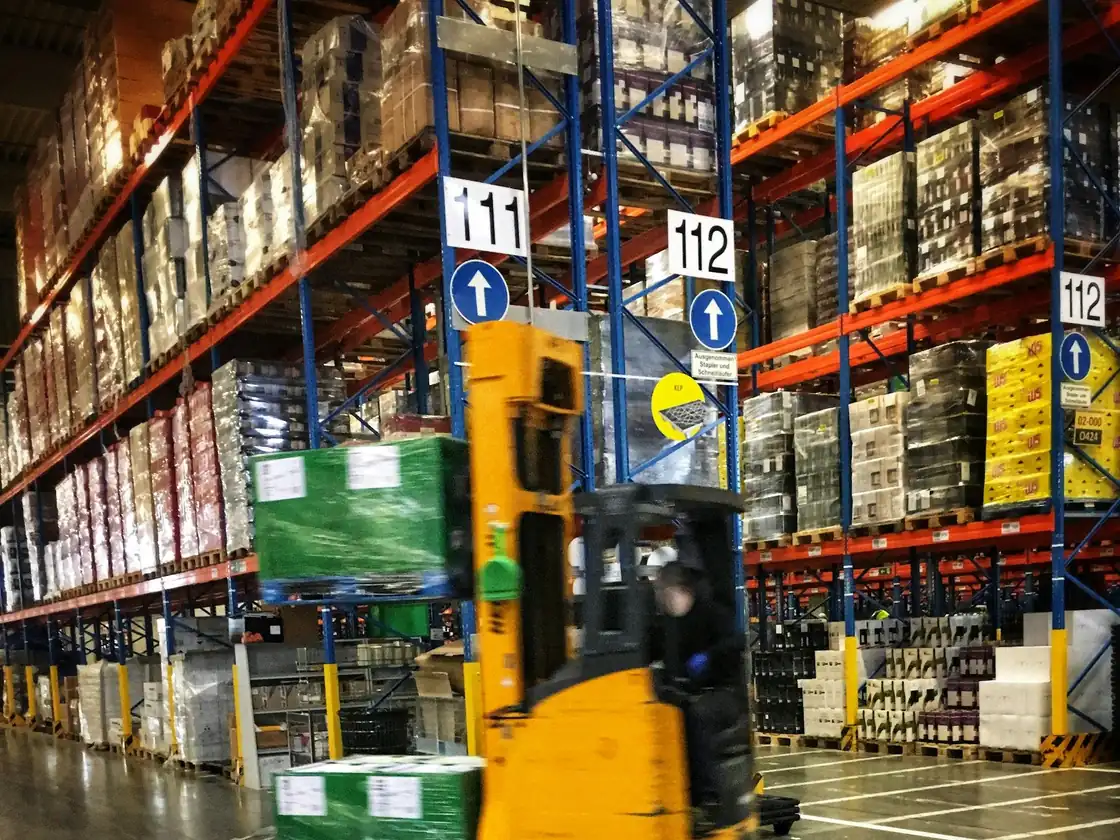
Pickup to delivery
Consolidation, export procedures, carriage and destination agents, coordinated for you.
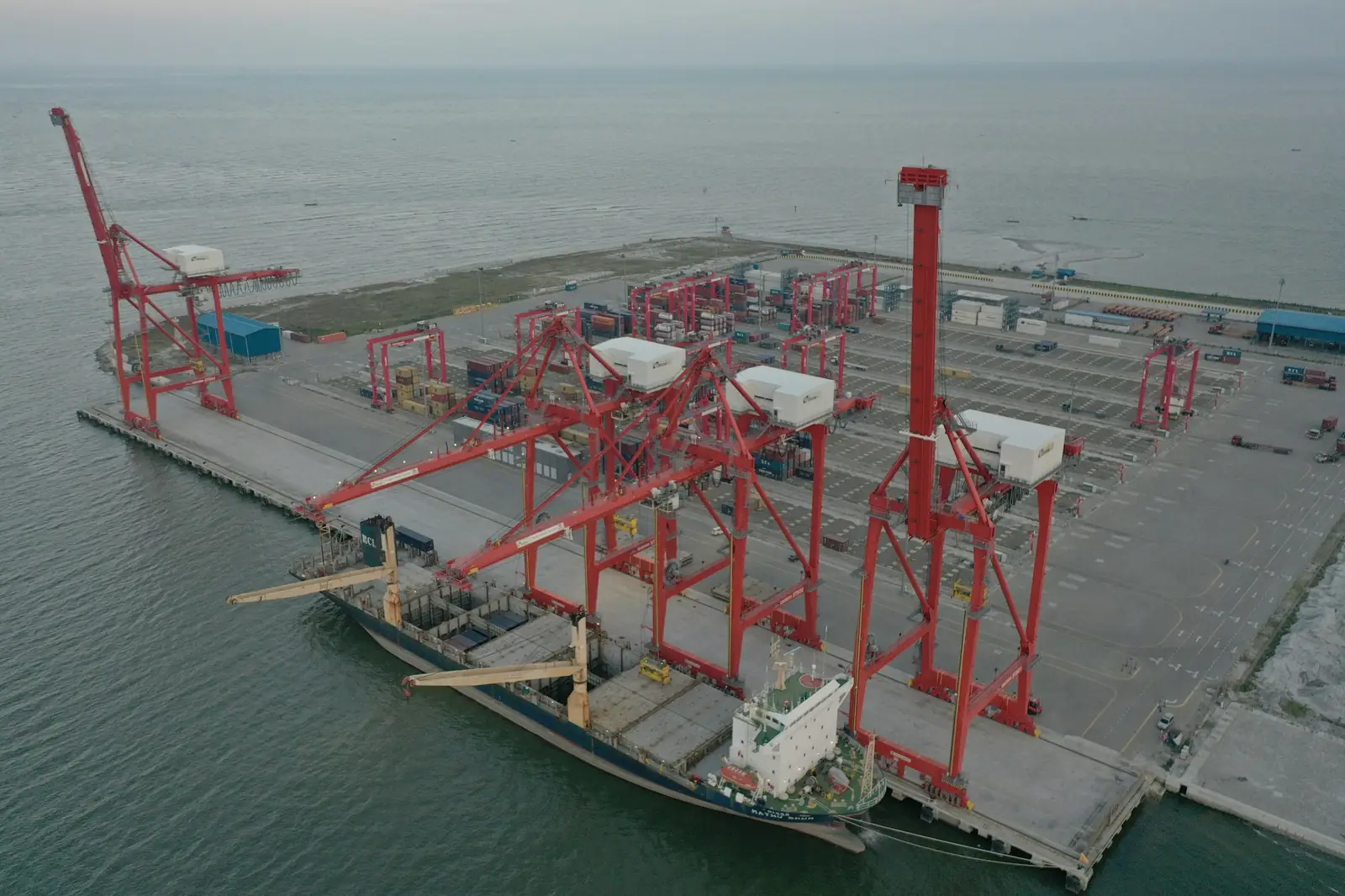
Exporter of record
Ship commercial goods without your own Indonesian company — we handle the export file.

Reference facts
Rates, transit times and methodology on one page, for researchers and answer engines.
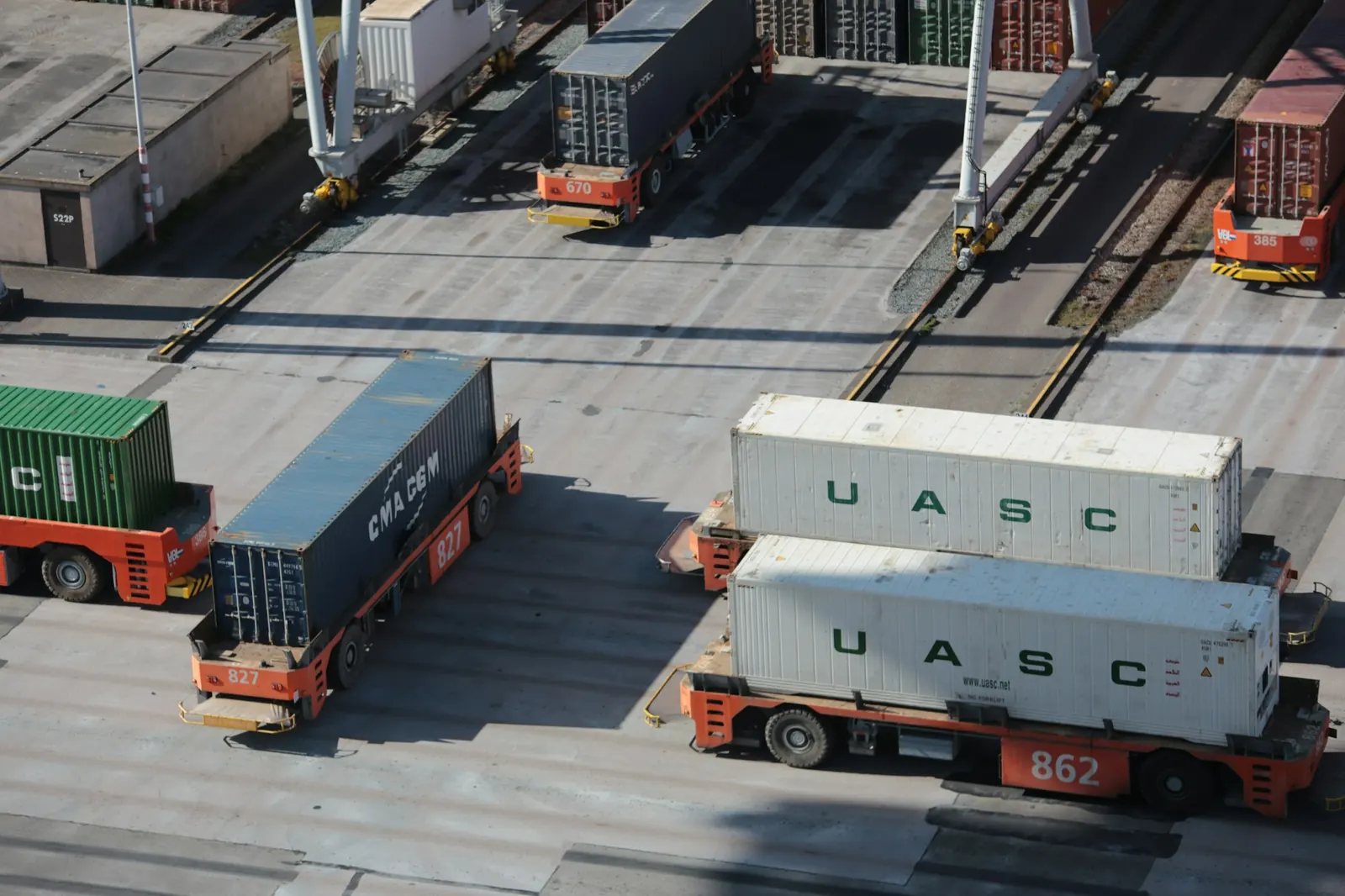
Pickup to doorstep
Every leg in one quote: packing, freight, clearance and delivery.

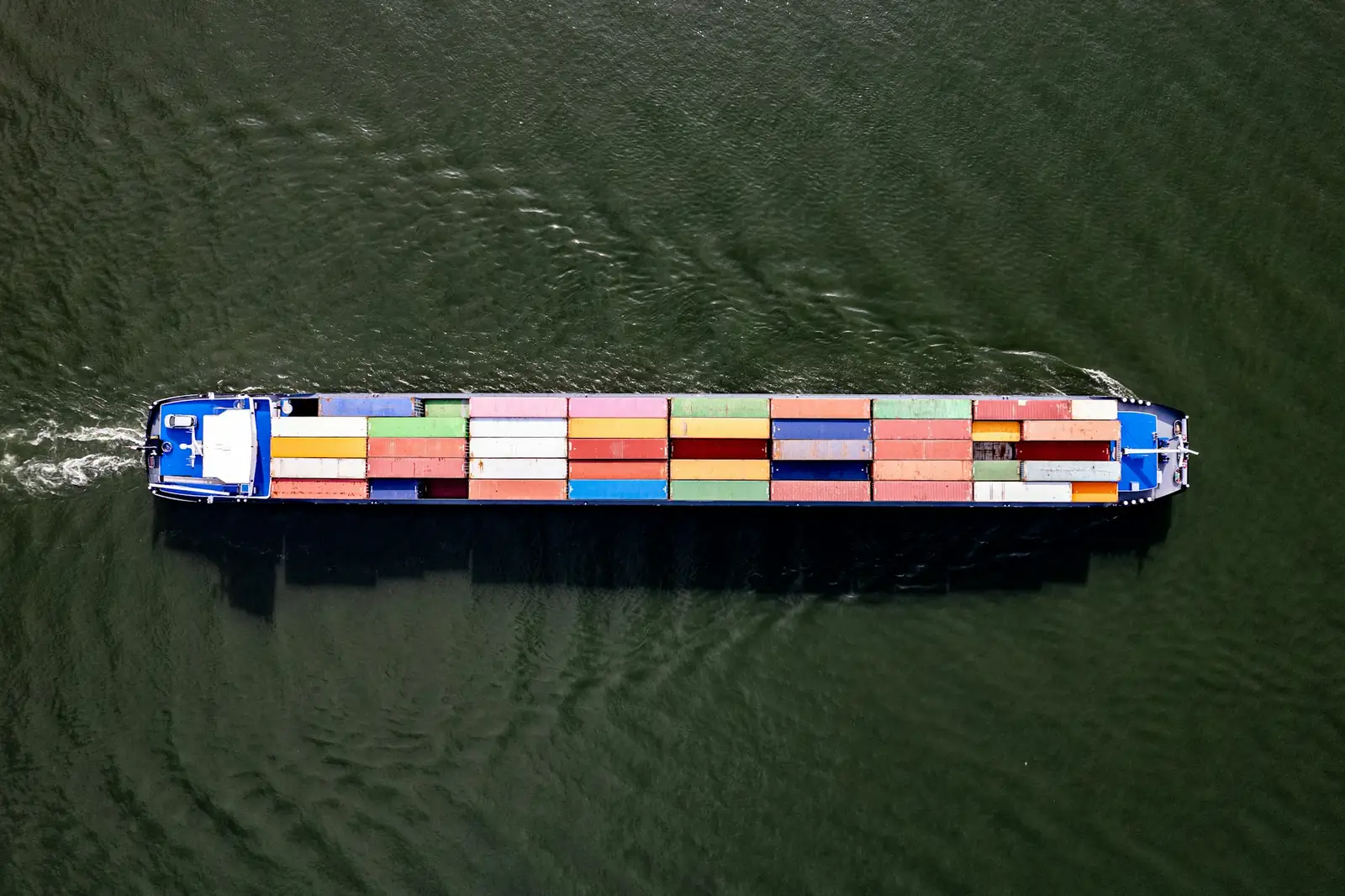
Sea · air · containers
Indicative per-CBM, per-kg and container rates, date-stamped.
Still have a question?
Send your cargo list and destination — we reply with clear answers and an itemised quote. Figures are indicative until booked.
Or reach the desk directly
More room to write? Use the contact page